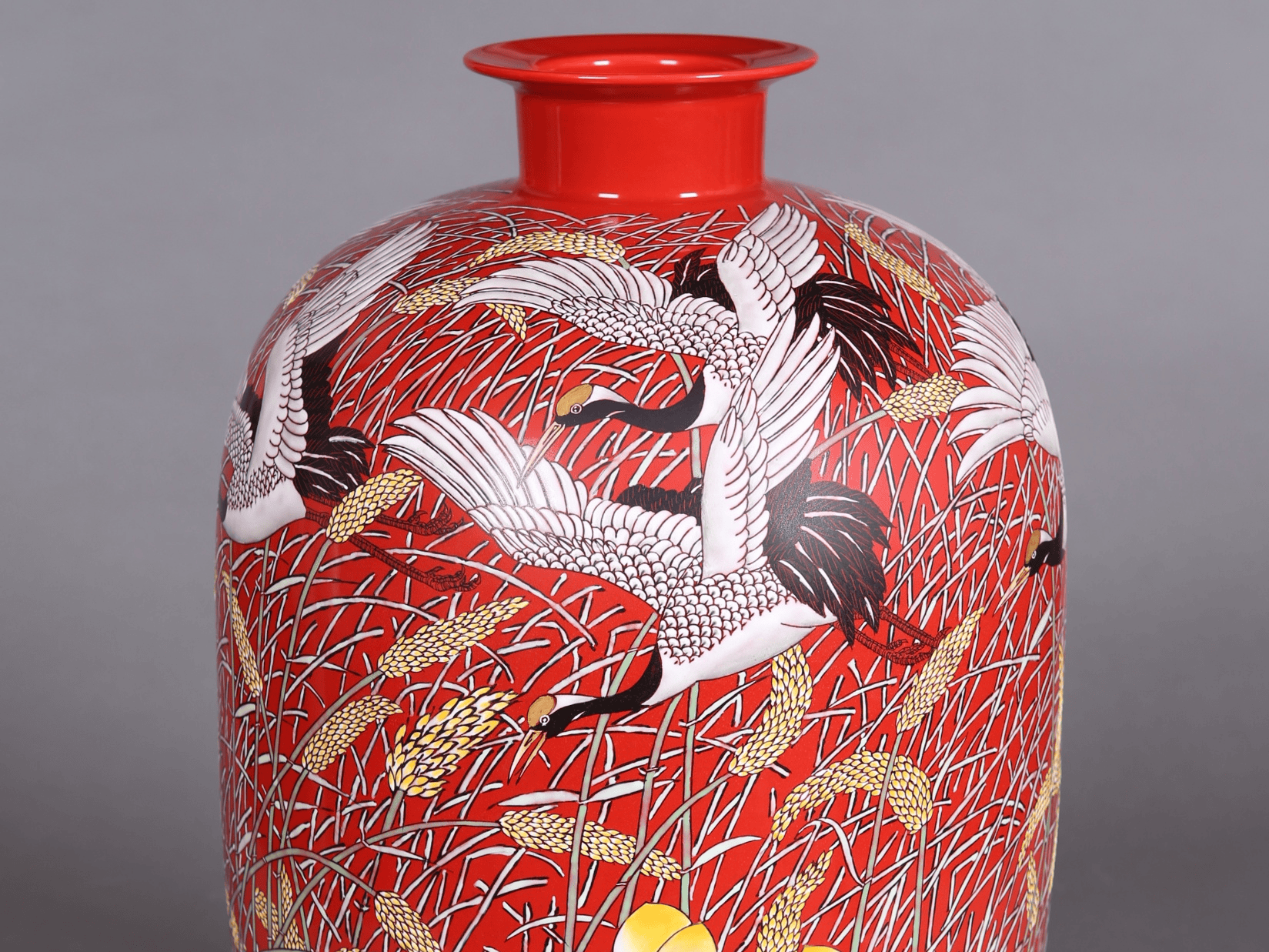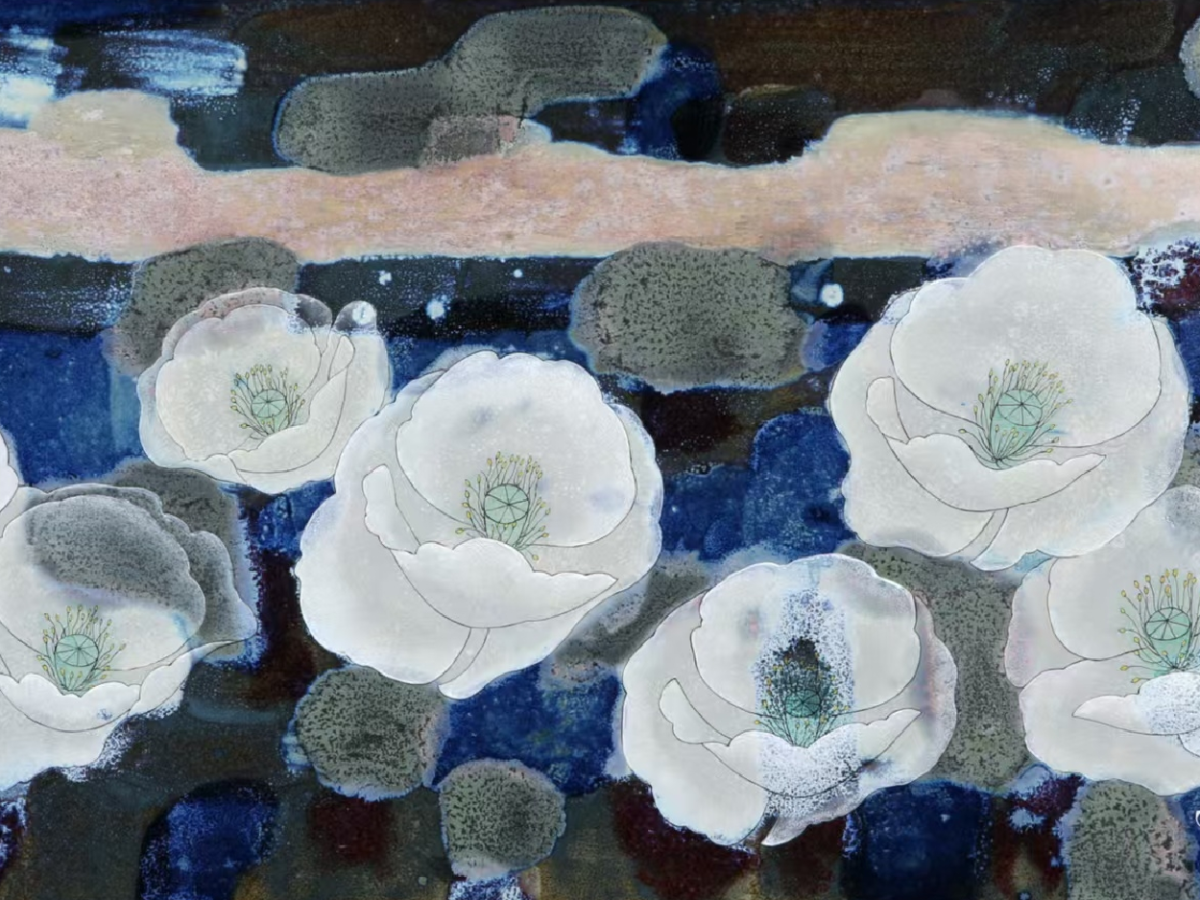
Brick form symbolizes a outstanding craft class with a long tradition, traveling back thousands of ages. From ancient pots to contemporary placements, the resource offers unmatched possibilities for creative representation. Builders employ several techniques – including constructing, wheel throwing, and intricate firing processes – to alter humble loam into beautiful three-dimensional creations. The resilience of fired terracotta also contributes to its status as a truly noteworthy part of human culture.
Investigating Stoneware Shield Compositions and Techniques
The field of ceramic marker design offers a extensive array of expressive possibilities. Crafters often explore a blend of classic and new techniques to form visually eye-catching pieces. These can cover from simple, etched reliefs to complex, multi-layered formulations. Typical methods include pattern casting, forming by hand, coating application – which can involve different methods like underglaze painting, post-firing embellishment, and engraved motif where designs are disclosed by abrading a layer of enamel. More study into external finishes such as flash firing and gloss finish can generate truly remarkable and customized ceramic plaques.
- Mold Fabrication - Generating pieces using a design
- Artisanal Molding - Accurately crafting the material
- Glazing - Applying the shell with a silky finish
- Engraved motif - Exposing designs by scraping covers
Engaging Experiences: Pottery Art Showcases
The growing landscape of creativity presents exciting new avenues for attendees, and ceramic art installations are at the cutting edge of this trend. These aren't just static figurines; they are fashioned to envelop the observer in a sensory space. Imagine moving inside a forest of towering, fired ceramic trees, or navigating a mesh of detailed ceramic vessels. Many makers are now incorporating harmonies, radiance, and even scent to enhance the vibe of their work. Envision the power of a room filled with hundreds of expertly ceramic pieces, each telling a narrative. Traditionally, such installations examine themes of landscape, remembrance, and the collective.
- The aforementioned installations blur the boundaries between design and space.
- Viewing a ceramic art installation can be a deeply affecting journey.
- Sculptors are challenging the edges of what is conceivable with clay.
Any Allure of the Terracotta Pot: Utility and Form
The pottery vessel represents a lovely union of utility and decorative appeal. Historically, these vessels served a minimalist assignment in containing substances, but their expansion has transformed them into highly valued works of design. Each component showcases the mastery of the artist, demonstrating how outline can be as important as role. The thoughtful shaping, the unique glazes, and the entire presence of a artfully-produced vase can transform a space, offering both splendor and a soft reminder of the creative hand.
Up-to-date Stoneware Sculpture : Challenging Frontiers
Recent brick art represents a fascinating departure from established practices. Sculptors are enthusiastically innovating with different processes, dissolving the borders between craft and other creative fields. From grand installations to fine miniature pieces, aforementioned works analyze themes of background while concomitantly redefining the very of what pottery can achieve. The product is a exciting world of innovative manifestation.
Pottery Marker: Protecting Past in Earthenware
Stoneware plaques offer a special method for registering significant events and persons. Contrasted with traditional metal or stone markers, these tough pieces of work are formed from baked clay, creating a concrete link Ceramic Tableware to the bygone era. Often, they feature intricate figures or beautifully rendered imagery, portraying stories that might otherwise be neglected. That technique, stemming from ancient societies, provides a aesthetically pleasing and lasting way to pay tribute to our collective legacy.
- These can be disposed in general spaces.
- A multitude of are now viewed historical treasures.
Ceramic Art Assemblies: Remodeling Locations
Pottery art installations are emerging a potent medium for designers to reshape public and private environments. These immersive installations frequently involve monumental clay sculptures that absorb viewers, altering their perception of the engineered environment. By adopting diverse methods like modeled construction and detailed firing processes, ceramic artists assemble truly exceptional experiences, blurring the limits between art and location. The consequence is often a poignant metamorphosis that enhances the sensory quality of the setting and initiates exchange.
Outset Turning Device to Wonder: The Skill of the Ceramic Jar
The journey of a ceramic urn from a simple lump of terracotta to a refined work of production is a testament to human inventiveness. Classicall, the process initiates with the potter’s circular platform, where the talented artisan creates the spinning dirt into a cylindrical form. This primary section demands finesse and a perceptive eye, followed by a delicate drying period. Once initially cooked, the receptacle is ready for adornment, which may require designing intricate motifs, inscribing detailed scenes, or adding a array of glazes. The last cooking process then turns the work into a durable and lovely receptacle, a tangible reflection of the maker's creativity.
Forming with Clay: A Overview to Stoneware Project
Surveying the realm of earthenware expression begins with mastering the basics of shaping with pottery. That approach comprises deliberately composing and reducing substance to build three-dimensional artifacts. If you're a starter or a master artist, playing with assorted varieties of pottery – particularly clay – will facilitate you identify your special expression. After all, brick forming is a valuable journey that combines technical skill with creative expression.